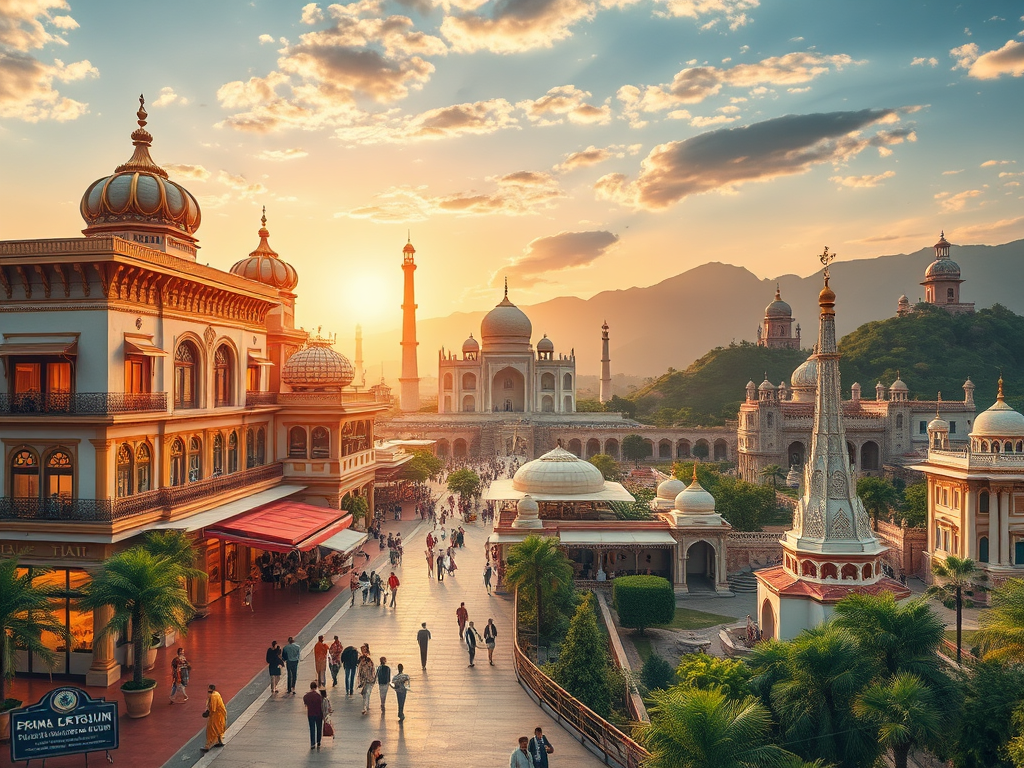
The Union Budget 2026-27, presented in Parliament on 1 February 2026 by Finance Minister Nirmala Sitharaman, lays out a strategic vision for tourism and hospitality — not just as service industries, but as growth engines for employment, culture, and regional development.
1. Tourism Positioned as a National Growth Engine
The Budget emphasises tourism and hospitality as drivers of employment and local economic activity, promoting them as central to India’s development vision.
✔ Tourism is no longer seen merely as leisure travel but as a strategic economy sector.
✔ Focus on heritage, cultural, rural, eco-tourism & specialised trails like eco, mountain, birding, and turtle trails.
2. Skill Development and Quality Improvements (Reference: Budget Speech)
The Finance Minister announced nationwide initiatives to upskill personnel in tourism and hospitality, including professional training for guides and hospitality workers.
Key measures include:
- National Institute of Hospitality — Upgrading the existing National Council for Hotel Management and Catering Technology to an institute setting standards and bridging academia, industry & government.
- Pilot training for 10,000 tourist guides at 20 key tourist sites, delivered in collaboration with management institutes.
Impact: Better trained staff, higher service standards, and improved tourist experience across India.
3. Digital & Destination Infrastructure Initiatives
The Budget proposes to build a National Destination Digital Knowledge Grid — a platform to digitally document information about cultural, spiritual and heritage sites nationwide.
Benefits:
- Tour planners and operators can access verified data.
- Enhances awareness and visibility of destinations — from Himalayan trails to coastal circuits.
4. Connectivity & Travel Infrastructure Boost
The Budget plans major investments in transport infrastructure, including High-Speed Rail corridors linking key cities and tourist hubs.
Impact: Faster travel between destinations can increase trip frequency and occupancy rates across hotels and resorts.
5. Rationalisation of Tax Collected at Source (TCS)
A notable taxation change that affects outbound travel also impacts inbound & domestic tourism: the government reduced TCS on overseas tour packages to 2 % without minimum value threshold.
Effect:
- Makes international travel slightly cheaper for Indians — potentially redirecting some travel spend to domestic tourism as well.
- Benefits tour operators handling both inbound & outbound travel.
6. Focus on Heritage Sites & Experiential Tourism
The Budget earmarks 15 archaeological and cultural sites (e.g., Sarnath, Hathinapur) for development into experiential cultural destinations, blending heritage with visitor engagement.
✔ Digital storytelling at these destinations
✔ Curated walkways and immersive facilities
This initiative expands tourism circuits beyond conventional beach and pilgrimage tours.
7. Sustainability, Eco-Tourism & New Trails
Budget proposals include the creation of mountain eco-trails in Himachal, Uttarakhand, and J&K, and nature trails in wildlife and birding hotspots.
What this means:
- New, diverse tourism products for adventure, nature and experience-based travellers
- Fresh opportunities for speciality resorts, trekking lodges, and eco-friendly hospitality ventures
8. Medical & Wellness Tourism Opportunity (Official Statement)
The government reaffirmed its commitment to promote India as a hub for medical tourism and wellness services — a sub-sector with high foreign exchange potential.
Putting It All Together: Sector Outlook
For Hotels & Resorts
✔ Higher occupancy from domestic travellers
✔ Stronger demand during off-season months
✔ Diversification through heritage & eco tourism
For Tour Operators & Travel Businesses
✔ Better trained guides and service staff
✔ More packaged offerings around cultural trails
✔ Digital planning tools for destinations
For Local Experience & Allied Industries
✔ Growth in community tourism, handicrafts, local cuisine businesses
✔ Increased demand for experiential tourism products
Conclusion
The Union Budget 2026-27 does not limit support to one line item or rebate. Instead, it lays a foundational framework for sustainable tourism growth, infrastructure development, high quality services, and broader accessibility — all of which translate into higher demand for hospitality products and services over the medium to long term.
#unionbudget #unionbudget2026 #hospitalityindustry #tourismindustry #indiantourism #hospitalitybusiness #hotelindustry #resortsandtourism #destinationtourism #domestictourism #ecotourismindia #heritagetourism #travelindustryindia #msmehospitality #hotelowners #touroperators #infrastructuredevelopment #incredibleindia #hospitalityherald #wilsonpselvam #WilsonPanneerselvam








Leave a Reply