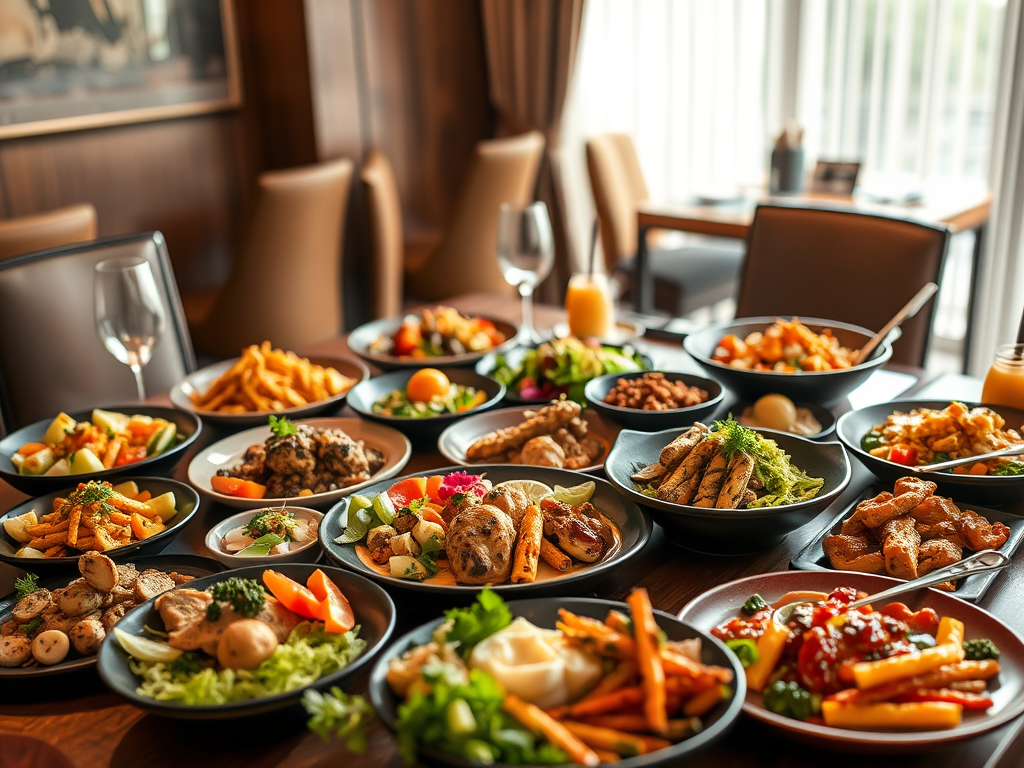
As travel becomes more accessible and cultures continue to blend, hotel dining is no longer confined to regional recipes or familiar comforts. Guests today are global citizens — curious, open-minded, and hungry for authentic, international experiences.
From tapas in Tokyo to Thai curry in Toronto, hotels around the world are reimagining their menus by infusing global flavours with local soul.
Why Global Cuisines are Winning on Hotel Menus?
Modern travelers are not just checking in for a room; they’re checking in for culture, and one of the most powerful cultural expressions is food. A thoughtfully designed international menu can:
- Elevate the dining experience
- Spark conversations and curiosity
- Encourage longer stays or repeat visits
- Differentiate a hotel brand from competitors
For hotels, this is more than just offering a pasta or sushi platter — it’s about creating immersive, palate-pleasing journeys.
Global Flavours That Guests Love
Here are some popular international cuisines that are making waves in hotels:
- Middle Eastern – Think mezze platters, lamb kofta, and tahini-based sauces
- Korean – Gochujang-glazed meats, kimchi sides, and hearty bibimbap
- Mediterranean – Fresh herbs, grilled vegetables, and olive oil-rich simplicity
- Pan-Asian – Fusion dishes with Thai, Vietnamese, and Japanese influence
- Latin American – Tacos, ceviche, chimichurri-grilled proteins
- Scandinavian – Clean, minimalist plates with pickled elements and seafood
These cuisines don’t just bring variety — they bring vibrancy, storytelling, and texture to the plate.
Tips for Successfully Integrating International Cuisine
1. Start With One Culture, Do It Right
Rather than stretching thin, focus on one cuisine and do justice to its flavours, plating, and presentation. Authenticity matters.
2. Train Your Culinary Team
Hire specialists or train your chefs to master techniques unique to each cuisine. A poorly made sushi roll or under-spiced curry does more harm than good.
3. Tell the Story
Every global dish has a history. Include it in your menu design or table-side interactions — guests love the story behind what they’re eating.
4. Source Smart
Use authentic ingredients where possible, but smart substitutions are fine when they respect the essence of the original dish.
5. Infuse Local Touches
Fusion isn’t a crime — it’s creativity. Marrying a Tamil-style grilled prawn with a Mediterranean couscous is how global-local magic happens.
The Business Case
Hotels that offer diverse culinary options tend to see:
- Higher in-house dining revenue
- Better online reviews (especially from international guests)
- Opportunities to host theme nights, cooking demos, or cultural festivals
- Collaboration with guest chefs from around the world
In a post-pandemic world where food brings comfort and connection, hotels can turn dining into a destination within a destination.
Final Bite
At its core, hospitality is about welcoming the world — and what better way to do that than through food?
By adding international flair to your menu, you’re not just serving dishes.
You’re serving stories, memories, and moments that stay with your guests long after check-out.
Let your menu travel the world, even if your guests never leave the table.
#GlobalCuisines #HotelDining #HospitalityInnovation #FoodWithoutBorders #CulinaryTravel #InternationalFlavors #HospitalityTrends #GuestExperience #FusionCuisine #WorldOnAPlate #MenuEngineering #HospitalityHerald #TravelThroughTaste #GlobalFoodCulture #CulinaryStorytelling #FlavourJourneys #AuthenticCuisine #HospitalityLeaders #HotelF&B #FoodLoversUnite







 Hospitality Herald
Leave a comment