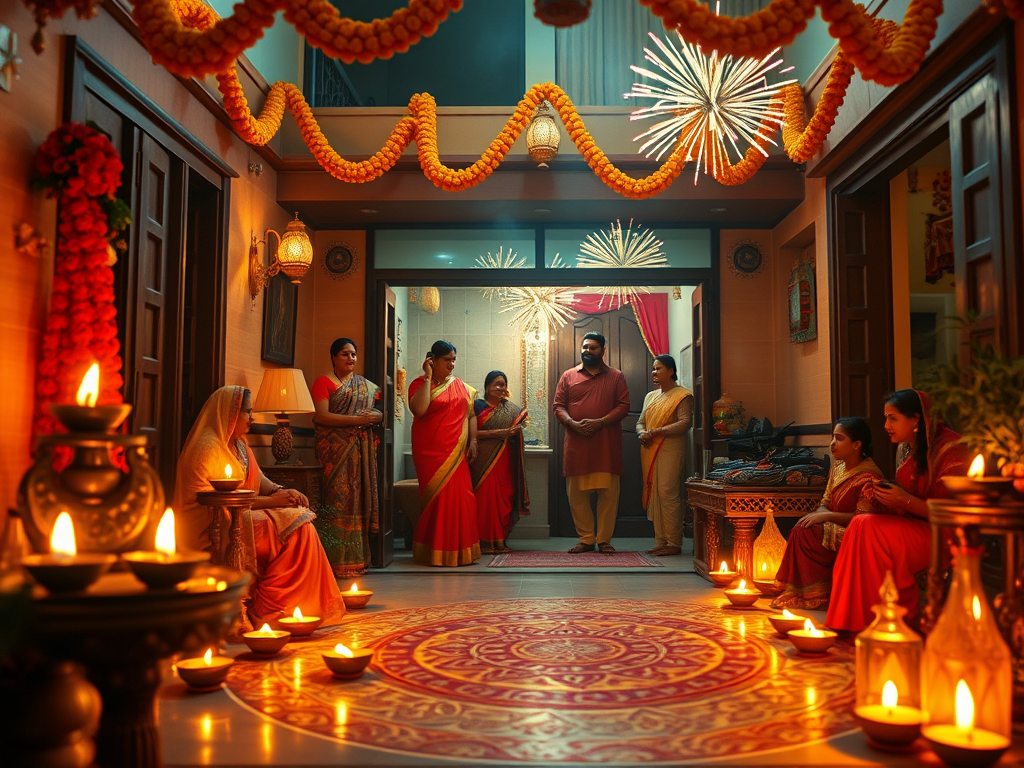
Diwali, also known as Deepavali, is one of the most celebrated festivals in the Tamil culture. For Tamils, Diwali marks the triumph of light over darkness, knowledge over ignorance, and good over evil. This festival is observed with great joy and enthusiasm, filling homes and hearts with warmth, happiness, and the bright glow of countless lamps.
The Significance of Diwali in Tamil Culture
In Tamil Nadu, Diwali is celebrated in honor of Lord Krishna’s victory over the demon Narakasura. According to legend, Narakasura had brought despair to the people with his oppressive rule, and Lord Krishna’s triumph liberated them, symbolizing the triumph of dharma (righteousness) over adharma (injustice). For Tamils, Diwali is not just a festival but a time for rejuvenation, reconnecting with family, and fostering a sense of community.
Rituals and Traditions of Diwali in Tamil Nadu
- Pre-Dawn Celebrations
Diwali day typically begins before sunrise. Families wake up early, and after a ceremonial oil bath, they don new clothes, symbolizing purity and renewal. This practice is deeply ingrained and signifies a fresh start, washing away past burdens and embracing a brighter future. - Bursting of Firecrackers
Firecrackers are a major part of Tamil Diwali celebrations. The loud bursts and vibrant colors are believed to ward off negative energy and invite prosperity. Bursting firecrackers early in the morning is customary, and it fills the atmosphere with a sense of joy and excitement that lasts all day. - Special Diwali Foods
Food plays a crucial role in Diwali celebrations, with families preparing traditional sweets and snacks like murukku, adhirasam, ladoos, and halwa. Sweets are not just treats but a way of sharing happiness with loved ones and neighbors. The preparation of these delicacies starts days before the festival, filling homes with the aroma of rich flavors. - Lakshmi Puja
In Tamil culture, Diwali is also a time for worshipping Lakshmi, the goddess of wealth and prosperity. Tamil families perform pujas (prayers) to invoke her blessings for abundance and well-being. Homes are decorated with kolams (rangoli designs) at the entrance, which are believed to attract positive energy and welcome prosperity. - Exchange of Sweets and Gifts
Diwali is a time for togetherness, and Tamils celebrate by exchanging sweets, gifts, and blessings with friends and family. This exchange symbolizes goodwill, strengthens bonds, and reflects the generosity and hospitality deeply rooted in Tamil culture.
A Festival of Light and Unity
Diwali is more than just a festival for Tamils; it’s a time of unity, where families come together to celebrate their heritage, honor tradition, and welcome the future with hope. The lighting of lamps, or agal vilakkus, symbolizes the victory of good over evil and the journey towards enlightenment.
As the Tamil community celebrates Diwali, the entire atmosphere is filled with joy, love, and blessings. Lights are lit, prayers are chanted, and every home glows with the warmth of this special festival. It’s a time to forgive and forget, to let go of past grievances, and to welcome the brightness of the future.
Wishing Everyone a Happy and Prosperous Diwali! May this festival bring joy, health, and prosperity to you and your loved ones.
#HappyDiwali #Diwali2024 #DiwaliCelebrations #Deepavali #TamilDiwali #FestivalOfLights #DiwaliTraditions #TamilCulture #DiwaliSweets #DiwaliFestival #LightOverDarkness #GoodOverEvil #DiwaliJoy #DiwaliBlessings #DiwaliVibes #DiwaliSpecial #Diwali2024 #DiwaliInTamilNadu #Wilsonpselvam #WilsonPanneerselvam #FullKattu #HospitalityHerald #Varisound



 Hospitality Herald
Leave a comment